Weighing Equipment Calibration Requirements by Industry: What Your Business Needs to Know
Calibration of weighing equipment plays a critical role in ensuring accuracy, compliance and confidence across a wide range of industries. While the principles of calibration remain the same, the requirements and expectations can vary depending on how and where your weighing machine is used.
Understanding weighing calibration requirements by industry helps businesses stay compliant, reduce risk and maintain consistent results in day-to-day operations.
This blog explains how the calibration of weighing machines applies across different sectors and why a tailored approach matters.
Why requirements for the calibration of weighing equipment differ by industry
Different industries operate under different regulations, quality standards and environmental conditions. Precision balances used in a controlled laboratory setting face different demands to scales used on a factory floor, in a waste facility or within food production.
Factors such as accuracy, tolerance, frequency of use, regulatory oversight and audit requirements all influence how often the calibration of weighing equipment is required and how it should be carried out.
A one-size-fits-all approach rarely works, which is why understanding industry-specific calibration requirements is so important.
Calibration requirements for scales used in manufacturing and production
In manufacturing environments, calibration is essential for maintaining quality, consistency and efficiency. Weighing Machines are often used continuously, meaning small inaccuracies can quickly lead to product variation, waste or rework.
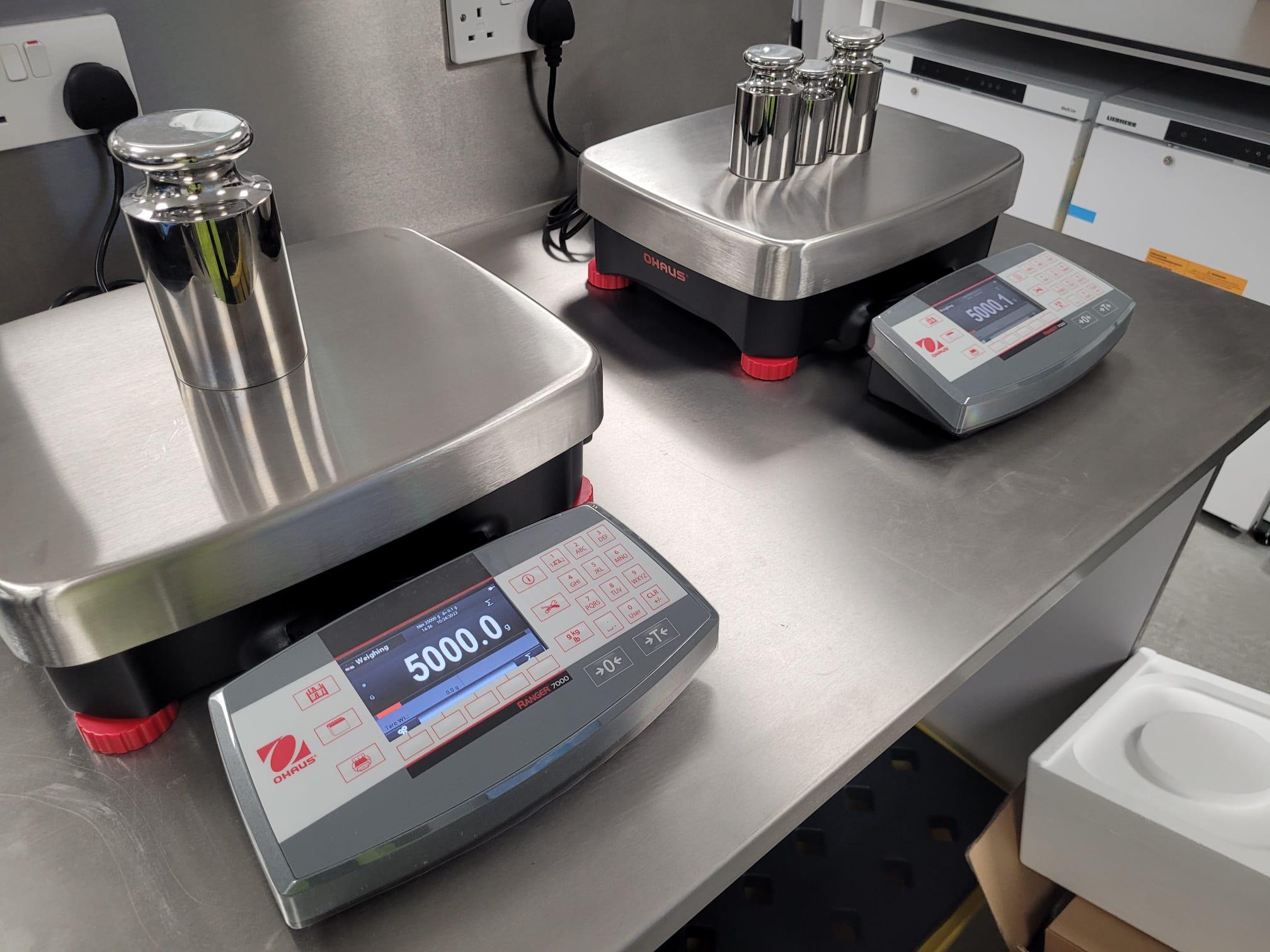
Calibration supports compliance with quality standards such as ISO certifications and helps ensure measurements remain traceable and reliable. Regular calibration of scales also provides documented evidence for audits and customer assurance.
For manufacturers, scale calibration is not just about compliance, but about protecting quality and operational performance.
Scale calibration requirements in food production and processing
Food production is a highly regulated industry where accuracy directly affects safety, quality and compliance. Weighing equipment is commonly used for portion control, ingredient measurement and packaging.
Calibration helps ensure products meet declared weights, reduces the risk of under or overfilling, and supports compliance with food safety standards. Traceable calibration records are often required during audits and inspections.
In this sector, calibration of weighing equipment supports both regulatory compliance and consumer trust.
Scale Calibration requirements in waste and recycling
Waste and recycling operations rely heavily on weighing scales for billing, reporting and regulatory purposes. Accuracy is critical where weight determines charges, contracts or environmental reporting.
Scale Calibration helps ensure that weighing systems remain accurate despite heavy use, harsh conditions and exposure to debris or weather. Regular calibration also supports compliance with trade and environmental regulations.
For waste and recycling businesses, reliable scale calibration protects revenue and reduces the risk of disputes.
Calibration requirements for weighing equipment used in logistics and transport
In logistics and transport, weighing equipment is used to manage loads, ensure legal compliance and support accurate documentation. Incorrect weights can lead to safety issues, fines or delays.
Scale Calibration ensures weighing systems provide consistent and accurate readings, supporting compliance with transport regulations and helping businesses operate efficiently.
Regular calibration also helps prevent issues further down the supply chain.
Calibration requirements for scales used in healthcare and veterinary settings
In healthcare and veterinary environments, scale calibration supports accuracy in patient care, treatment decisions and record keeping. Equipment must be reliable, repeatable and compliant with regulatory and professional standards.
Regular calibration of medical and veterinary scales helps ensure measurements are accurate and defensible, supporting quality assurance and audit requirements.
In these settings, scale calibration underpins trust and accountability.
The importance of traceable scale calibration across all industries
Regardless of sector, traceable calibration of weighing equipment is a common requirement. Traceability provides confidence that measurements can be linked back to recognised standards, supporting audits, inspections and quality systems.
Calibration certificates and records form an essential part of compliance documentation and should be maintained as part of routine equipment management.
Choosing the right calibration approach
Calibration requirements for your weighing equipment depends on how the weighing machine is used, the environment it operates in and the standards the business must meet. Working with a specialist weighing Company helps ensure calibration schedules, methods and documentation are appropriate for your industry.
A tailored approach ensures compliance without unnecessary downtime or disruption.
Calibration requirements vary across industries, but the underlying goal remains the same. Accuracy, reliability and compliance.
Understanding your industry’s calibration requirements for the calibration of weighing equipment helps protect your business, support quality standards and maintain confidence in your measurements.
Regular calibration is an investment in accuracy, compliance and long-term operational confidence of your weighing machines.
If you have weighing equipment the you require calibrating or if you would like some advice on scale calibration, give one of our weighing experts a call today on: 0116 2713228 or head over to our calibration page for more information.